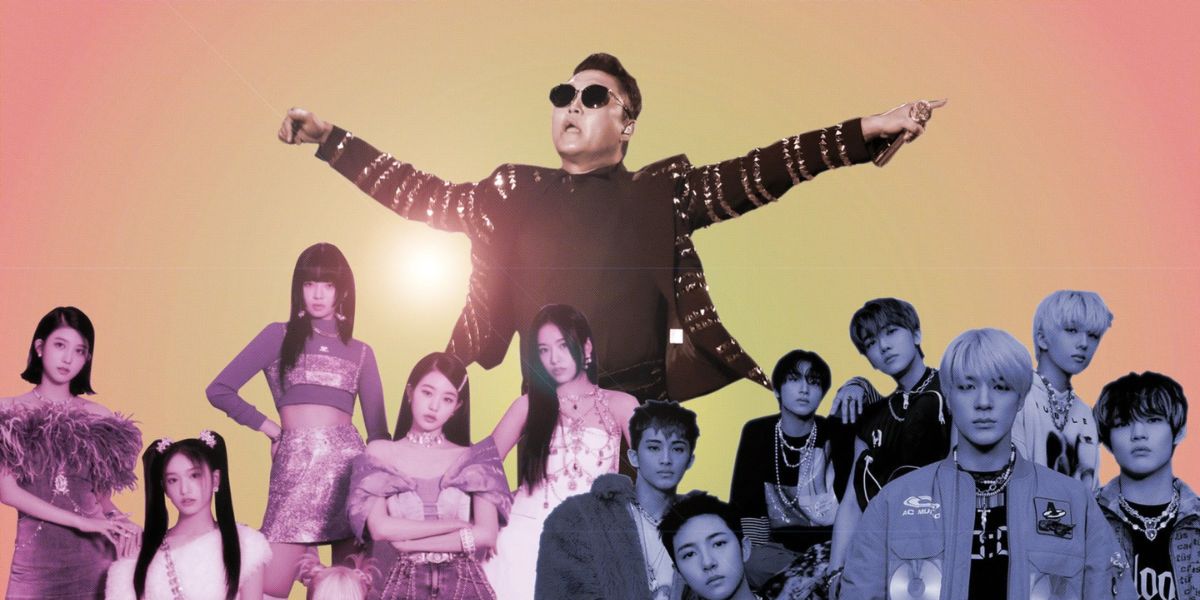
Cinema has always been more than just entertainment. It’s a mirror reflecting society, a teacher of culture, and a global force that shapes how we think, dress, and communicate. From Hollywood blockbusters to international indie films, movies have the power to transcend language barriers and unite people through shared stories. Today, cinema’s influence extends far beyond the screen, shaping global pop culture in ways we often don’t even realize.
The Global Reach of Film
Cinema’s power lies in its ability to tell stories that connect with people emotionally. A film made in one part of the world can resonate with audiences halfway across the globe. Platforms like Netflix, Amazon Prime Video, and Disney+ have made it easier than ever for global audiences to access diverse stories and cultures. For instance, Korean films such as Parasite and Indian productions like RRR have gained massive international acclaim, breaking box office records and cultural boundaries alike.
Table of Contents
Through the universal language of visuals and emotions, cinema allows people from different cultures to see and understand one another’s realities. This cultural exchange creates empathy and appreciation for different ways of life.
How Cinema Shapes Fashion and Style
Movies have always played a key role in influencing global fashion trends. Iconic characters often become style inspirations, turning wardrobes into statements of pop culture identity. Think of Audrey Hepburn’s black dress in Breakfast at Tiffany’s, James Bond’s tailored suits, or the rebellious looks from Pulp Fiction. Each of these has inspired fashion designers, celebrities, and everyday people around the world.
More recently, the influence of cinema on fashion has become even more visible through social media. Platforms like Instagram and TikTok amplify film-inspired trends instantly. Outfits seen in movies such as Barbie or Oppenheimer quickly sparked viral fashion movements, showing how cinematic style transcends borders and generations.
Music and Cinema: A Cultural Partnership
Soundtracks and movie scores have become a defining element of pop culture. From the theme of Star Wars to Titanic’s “My Heart Will Go On,” these pieces of music become cultural touchstones that evoke strong emotions and memories. Even more, films often help introduce audiences to new music genres or artists.
In recent years, collaborations between musicians and filmmakers have become more intentional, creating cultural moments that shape global trends. For example, Black Panther’s soundtrack, curated by Kendrick Lamar, blended African and Western influences, leaving a lasting impact on both the film and music industries.
Cinema and Social Movements
Beyond style and music, cinema has the ability to spark important conversations and social change. Films like Schindler’s List, The Color Purple, and 12 Years a Slave shed light on historical injustices, while contemporary films such as Don’t Look Up and The Social Dilemma address urgent modern issues like climate change and technology addiction.
Movies can inspire empathy, activism, and awareness by showing audiences perspectives they might never encounter otherwise. Social media amplifies this effect — powerful movie scenes often go viral, turning into symbols of global movements and sparking debates worldwide.
Technology’s Role in Expanding Cinematic Influence
Advances in technology have revolutionized how movies are made and consumed. High-quality cameras, CGI, and streaming platforms have democratized both film creation and access. Now, independent filmmakers from any corner of the world can reach global audiences without relying on traditional Hollywood structures.
Moreover, technologies like virtual reality (VR) and artificial intelligence (AI) are changing the cinematic experience altogether. Interactive films, immersive experiences, and AI-driven storytelling are redefining what cinema means in the 21st century — and how it continues to shape global culture.
Cultural Identity and Representation in Film
Representation in cinema has become a major cultural conversation. Audiences today are demanding diversity — stories that reflect the realities of different races, genders, and identities. The rise of global hits like Crazy Rich Asians, Black Panther, and Coco reflects a growing appreciation for authentic storytelling from diverse backgrounds.
This movement is more than a trend — it’s a shift toward cultural inclusivity and understanding. By showcasing stories from across the world, cinema encourages audiences to celebrate both their differences and their shared humanity.
The Lasting Legacy of Cinema
Cinema’s influence on global pop culture is undeniable and constantly evolving. It sets trends, inspires creativity, and brings people together through storytelling. Every era of film — from black-and-white classics to modern-day blockbusters — contributes something to our collective cultural identity.
As streaming expands and technology evolves, cinema’s impact will only grow stronger. Whether it’s inspiring fashion, shaping opinions, or influencing politics, movies remain one of the most powerful tools for cultural expression in the modern world.
Conclusion
Cinema doesn’t just reflect the world — it helps shape it. From redefining beauty standards to inspiring activism and creating global fashion trends, the film industry continues to mold the cultural landscape we live in. Every story told on screen becomes part of a larger global dialogue that unites us through shared imagination.
Call to Action: Which movie do you think has had the biggest impact on global culture? Share your thoughts in the comments below, and explore more culture-focused stories on GeckoBlue.org!