Superhero films have long been a cornerstone of modern cinema, shaping box office trends, defining pop culture, and setting new benchmarks for visual storytelling. From the early comic-inspired adaptations of the 20th century to today’s sprawling cinematic universes, the genre has evolved in remarkable ways. But after years of dominance, audiences and critics alike are asking: what’s next for superhero films?
The Early Era of Heroic Storytelling
The roots of superhero cinema date back to the late 1930s and 1940s, when Superman and Batman first appeared in film serials. These early adaptations were modest in production but captured the imagination of audiences who were new to the idea of larger-than-life heroes.
Table of Contents
By the 1970s and 1980s, the genre began taking a more serious shape with Richard Donner’s “Superman” (1978) and Tim Burton’s “Batman” (1989). These films set the tone for how superheroes could be presented—dark, epic, and emotionally grounded—while also appealing to mainstream audiences.
The Rise of the Modern Superhero Boom
The early 2000s marked a massive turning point. The success of X-Men (2000) and Spider-Man (2002) reignited Hollywood’s faith in comic book adaptations. With improved CGI and more faithful storytelling, these films demonstrated that superhero narratives could combine emotional depth with action spectacle.
However, the real game-changer came with Marvel Studios’ Iron Man (2008). It launched the Marvel Cinematic Universe (MCU), transforming superhero storytelling into an interconnected franchise model. The idea of crossovers, post-credit scenes, and multi-phase storytelling became the new norm. DC attempted to follow suit with its own expanded universe, introducing hits like The Dark Knight Trilogy and Wonder Woman, though with varying degrees of critical and commercial success.
The Overload and Audience Fatigue
As superhero movies dominated screens for over a decade, the genre began facing its biggest challenge: saturation. By the mid-2020s, audiences were experiencing superhero fatigue—too many films, too similar in tone and formula.
Critics noted that many releases began to feel predictable, relying heavily on CGI battles and formulaic narratives. Even big franchises like Marvel’s “Ant-Man and the Wasp: Quantumania” and DC’s “The Flash” underperformed compared to earlier years, signaling a need for reinvention. Audiences wanted more than just another supervillain showdown—they craved character-driven stories with emotional resonance.
Shifting Themes and New Directions
In response, the genre has begun to evolve once again. Filmmakers are now exploring diversity, grounded realism, and psychological depth in superhero storytelling. Productions like “Joker” (2019) and “The Batman” (2022) proved that darker, character-focused narratives could attract mass audiences and critical acclaim alike.
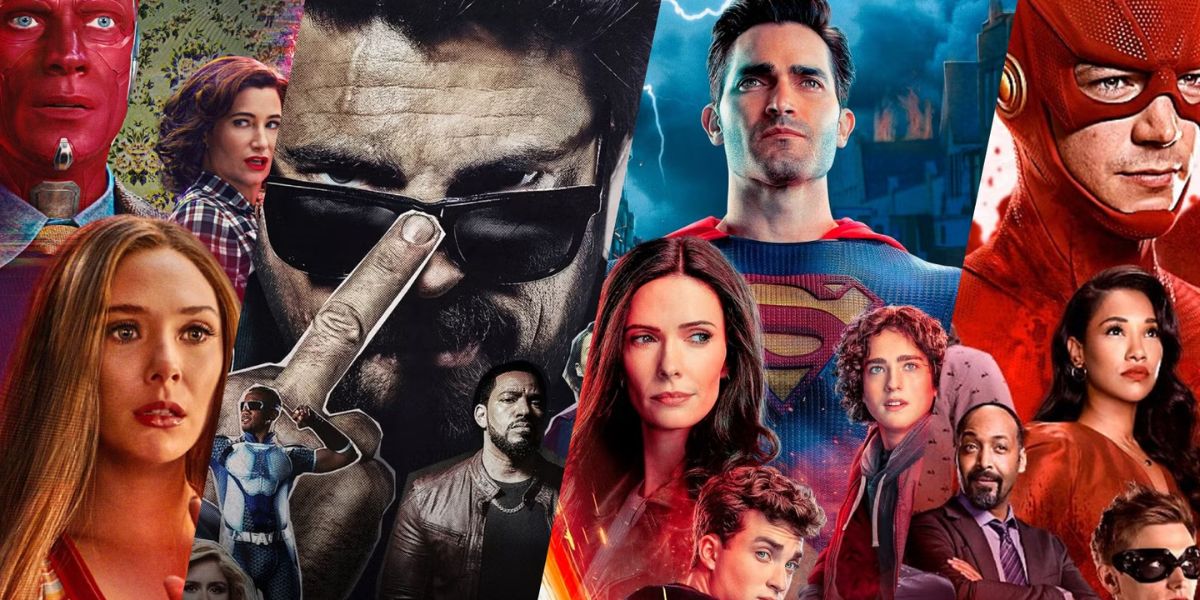
At the same time, streaming platforms like Disney+ and Max have opened the door for serialized superhero storytelling, allowing for more nuanced exploration of characters beyond blockbuster constraints. Series like “WandaVision,” “Loki,” and “Peacemaker” have demonstrated how the small screen can deepen world-building without relying solely on massive action sequences.
Global Expansion of Superhero Narratives
Another significant trend is the globalization of superhero cinema. Audiences outside the United States are now seeing heroes that reflect their own cultures and challenges. For example, India’s “Minnal Murali”, Korea’s “The Witch”, and Japan’s “One Punch Man” showcase how international creators are redefining what it means to be a hero.
This diversification helps refresh the genre by moving beyond the traditional American-centric perspective and incorporating cultural authenticity, different mythologies, and unique storytelling styles. The superhero genre, once limited to comic book canon, is now becoming a universal narrative about human resilience, identity, and justice.
The Future: Innovation Beyond the Cape
Looking ahead, the next phase of superhero cinema will likely focus on innovation and introspection. Artificial intelligence, multiverse storytelling, and hybrid genres (like horror-superhero or noir-superhero crossovers) are paving the way for more creative freedom.
Additionally, audience expectations are evolving. People now seek emotional authenticity, representation, and moral complexity rather than simplistic good-vs-evil battles. Superheroes are being reimagined as flawed, relatable, and deeply human characters navigating social, ethical, and existential dilemmas.
The next decade may see a rise in AI-generated visual effects, interactive storytelling, and smaller-scale, indie-style superhero films that rely more on narrative than spectacle. As studios adapt, they’ll need to balance nostalgia for classic heroes with bold experimentation to keep the genre relevant.
Conclusion
The evolution of superhero films mirrors society’s own shifting values—moving from idealism to introspection, from spectacle to substance. While the golden age of interconnected universes may be reaching its natural plateau, the genre’s capacity for reinvention ensures it will never truly fade. Superhero stories will continue to evolve, reflecting the hopes, fears, and imagination of future generations.
What do you think the next era of superhero films will look like? Share your thoughts in the comments below and explore more cultural insights at geckoblue.org.