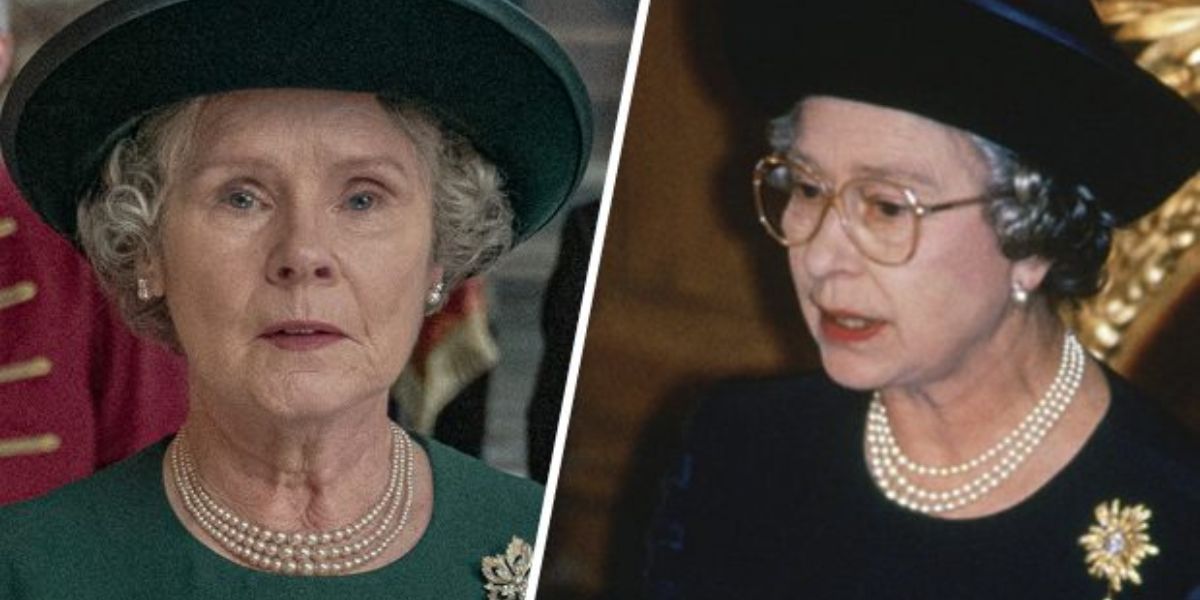
The Crown remains one of the most talked-about dramas of the decade, not only for its performances and lavish production but also for the ongoing debate around how accurately it depicts real events. As audiences continue to search for shows that blend storytelling with real history, this series has become a benchmark for how television interprets the past. But why does it still dominate conversations, long after multiple seasons have aired? The answer lies in its balance of fact, fiction, and emotional truth.
Why Viewers Are Drawn to Historically Inspired Dramas
At its core, The Crown succeeds because it taps into a universal curiosity: the desire to understand what happens behind closed doors in powerful families. The British monarchy has always been a subject of fascination, but the series elevates that interest by weaving dramatic arcs around real events such as the Suez Crisis, Princess Diana’s global influence, and the Aberfan disaster.
Table of Contents
Audiences appreciate that even when the dialogue or specific moments are fictionalised, the emotional themes feel authentic. This balance keeps viewers engaged while still giving them a sense that they are learning about the past.
How Accurate Is ‘The Crown’ Really?
One of the biggest debates surrounding the show is its level of historical accuracy. Creatively, the series positions itself as a dramatization rather than a documentary. That means some scenes are heightened, timelines are adjusted, and conversations are invented.
However, major historical events usually follow the factual outline. The show often uses public records, interviews, and memoirs as references, though it takes liberties with private moments where sources do not exist.
Some of the elements widely seen as accurate include:
- The monarchy’s internal tensions during politically sensitive periods
- Public reactions to royal decisions
- Documented challenges faced by the Queen during her long reign
Where the show adds artistic interpretation is usually in personal relationships, motives, and emotional dialogue, areas that history cannot confirm with certainty.
Significant Storylines That Sparked Debate
Throughout its run, several plotlines have drawn attention for their portrayal of real individuals. Princess Diana’s introduction, for example, brought global scrutiny. Her experiences with royal life, personal struggles, and turbulent marriage to Prince Charles were rooted in documented history, but the dramatization intensified the emotional lens.
Other debated story arcs include:
- Prince Philip’s portrayal during the early seasons
- The depiction of Prince Charles and Camilla’s relationship
- The political influence of Prime Minister Margaret Thatcher
These portrayals led historians, biographers, and even British officials to discuss the potential impact of viewers mistaking dramatization for established fact.
Why Creative Liberties Are Necessary in Television
Television relies on narrative momentum. Real life often lacks the structure that a scripted series requires, so showrunners compress timelines, create composite characters, or expand emotional conflicts to maintain engagement.
In The Crown, these liberties help the audience explore deeper themes such as:
- Duty versus personal desire
- The complexities of public life
- Generational change within an institution
- The emotional cost of leadership
While these moments may not reflect exact historical records, they resonate on a human level, which is one of the reasons the series maintains its cultural impact.
The Cultural Influence of ‘The Crown’
Beyond entertainment, the series has shaped public understanding of the British royal family. Many viewers admit they searched for articles or documentaries after watching an episode, reflecting how the show encourages curiosity about real history.
It also impacted global conversations about colonialism, public policy, and mental health—topics the monarchy has intersected with over time. Even critics who argue that the show bends the truth agree that it has revived interest in modern British history for younger audiences.
Should Historical Dramas Be Held to Documentary-Level Accuracy?
This question continues to divide audiences. Some believe that shows based on real people have a responsibility to prioritise accuracy, especially when portraying recent events. Others argue that The Crown is first and foremost a drama, and artistic freedom is essential for storytelling.
Most experts suggest that the series should be viewed as a starting point rather than a definitive historical source. It opens the door for exploration but should be supplemented with factual reading for those who want a complete understanding.
The Crown’s Lasting Legacy
As streaming platforms release more history-inspired shows, The Crown remains one of the most influential examples of how modern television blends fact with imagination. Its global popularity proves that audiences want layered narratives that make history feel alive, complex, and emotionally rich.
For many viewers, the series offers more than royal drama; it provides insight into the human side of power, responsibility, and legacy. That blend is precisely why the show continues to rule discussions, even years after its debut.