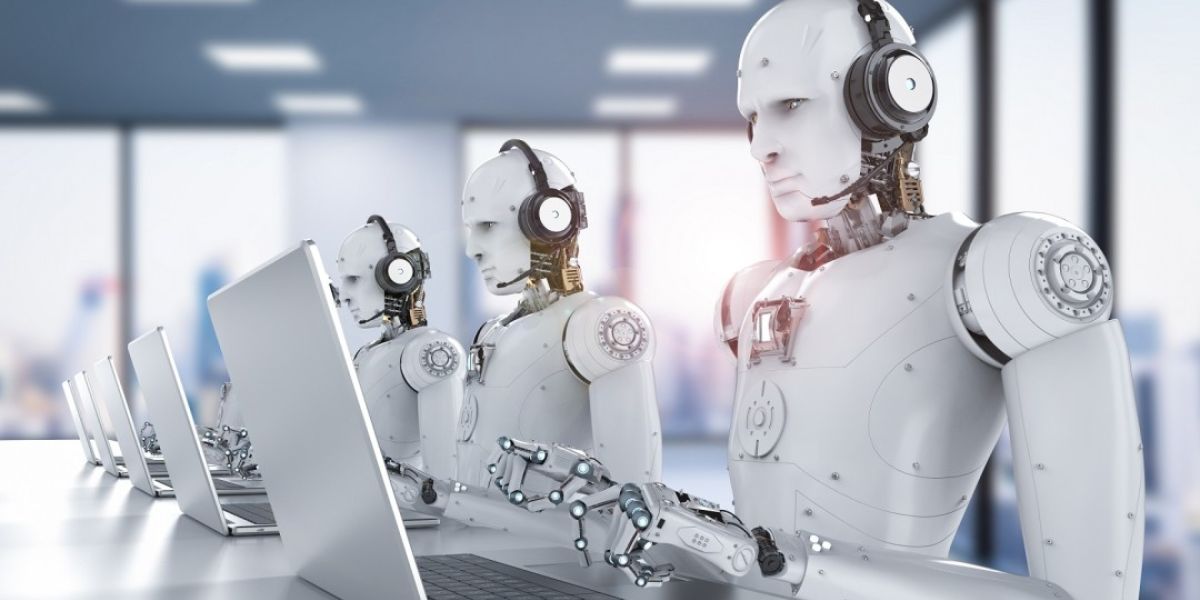
Artificial Intelligence (AI) is no longer just a futuristic concept—it’s a practical, everyday tool shaping the way we live, work, and connect in 2025. From smart homes that anticipate your needs to AI-powered healthcare, the technology has become deeply integrated into modern life. As AI continues to evolve, its influence touches nearly every part of our daily routine, redefining convenience, creativity, and even decision-making.
The Rise of AI in Everyday Life
Artificial Intelligence has moved from the background of technology to the forefront of our routines. Voice assistants like Alexa, Siri, and Google Assistant have become virtual companions that manage schedules, control devices, and provide instant answers. Meanwhile, smart appliances—AI-enabled refrigerators, washing machines, and lighting systems—help households save energy and operate more efficiently.
Table of Contents
Tip: Integrating AI-driven systems at home not only saves time but also reduces power usage, contributing to a more sustainable lifestyle.
Transforming the Workplace
AI has completely transformed how we work. Many organizations are using AI to automate routine tasks, analyze data faster, and enhance productivity. Remote work tools now rely heavily on AI for real-time collaboration, transcription, and even meeting summaries.
In 2025, companies are integrating AI-driven analytics to predict trends, monitor customer preferences, and improve efficiency. Even creative fields—writing, design, and music production—benefit from AI tools that assist humans rather than replace them.
Tip: Employees can embrace AI as a supportive partner—learning to use it effectively often leads to better performance and innovation.
Revolutionizing Healthcare
One of the most profound impacts of AI is in healthcare. AI-powered diagnostic tools can detect diseases like cancer or diabetes earlier than traditional methods. Hospitals now use predictive algorithms to identify at-risk patients and recommend preventive care.
Wearable devices, such as smartwatches and health trackers, use AI to monitor heart rate, sleep, and activity patterns—alerting users and doctors when abnormalities arise. This real-time insight has made health management more proactive and personalized.
Example: Some hospitals now use AI chatbots to guide patients through post-surgery care, medication reminders, and symptom checks.
Smarter Transportation and Mobility
AI is revolutionizing how we move. Self-driving cars, advanced traffic systems, and AI-assisted public transport are transforming mobility across cities. These systems analyse data from sensors, traffic lights, and road conditions to optimize routes and reduce accidents.
Ride-hailing apps now use AI to match drivers and passengers more efficiently, while electric vehicles are integrated with smart systems that learn driving habits and maximize battery life.
Tip: With AI navigation tools improving daily, commuters save both time and fuel—making travel safer and more efficient.
AI in Education and Learning
Education is experiencing a major shift thanks to AI-driven platforms that adapt lessons to each learner’s pace. From virtual tutors to personalized learning dashboards, AI helps students understand complex subjects in simpler, interactive ways.
Teachers are using AI tools to analyze student performance, identify learning gaps, and provide targeted support. Even in higher education, AI assists in research, grading, and curriculum development.
Quote:
“AI is not replacing teachers; it’s enhancing their ability to reach every student more effectively,” says education researcher Emily Rhodes.
How AI Shapes Entertainment
Entertainment and media have become more interactive and immersive through AI. Streaming platforms like Netflix and Spotify use AI to predict what users want to watch or listen to next, creating a deeply personalized experience.
In 2025, AI is even influencing storytelling—scripts are being co-written by AI, game worlds are dynamically generated, and virtual actors are being used in film production. These innovations are blurring the line between creativity and computation.
Ethical Challenges and Data Privacy
While AI brings countless benefits, it also raises ethical and privacy concerns. With devices collecting enormous amounts of personal data, questions about ownership, bias, and transparency have become central. Governments and tech companies are now developing stronger AI governance frameworks to ensure ethical use.
Tip: Always review privacy settings on smart devices and understand how your data is being used to maintain digital safety.
The Future of AI: What’s Next?
Looking ahead, AI’s influence will only deepen. Experts predict advancements in emotionally intelligent AI, where machines can recognize and respond to human emotions more naturally. AI-powered cities, predictive policing, and sustainable farming technologies are already on the horizon.
However, success depends on finding the right balance—using AI to empower, not overpower, human intelligence. The next few years will focus on responsible innovation and ensuring that AI serves humanity’s best interests.
Conclusion
Artificial Intelligence has become woven into the fabric of daily life in 2025. From homes and workplaces to hospitals and classrooms, AI is redefining convenience, safety, and productivity. As we continue to adapt, the key lies in using AI thoughtfully—embracing its advantages while maintaining human values, creativity, and empathy.
Call to Action: How has AI changed your life this year? Share your experiences in the comments and explore more future-forward insights on GeckoBlue.org.