Staying organised can feel overwhelming, especially when schedules are packed and motivation is low. But decluttering doesn’t require a full weekend or a dramatic lifestyle overhaul. With a simple, consistent 30-minute routine, you can slowly remove chaos, reduce stress, and create a space that supports your wellbeing. This approach works because it builds momentum through small, achievable wins rather than demanding long hours of effort. Below are five practical methods you can use to simplify your life without feeling drained.
Start With One Micro-Area at a Time
A major mistake people make is trying to declutter an entire room in one go. The result is usually frustration, exhaustion, or giving up midway. Instead, focus on small, manageable spaces that you can realistically refresh in half an hour.
Table of Contents
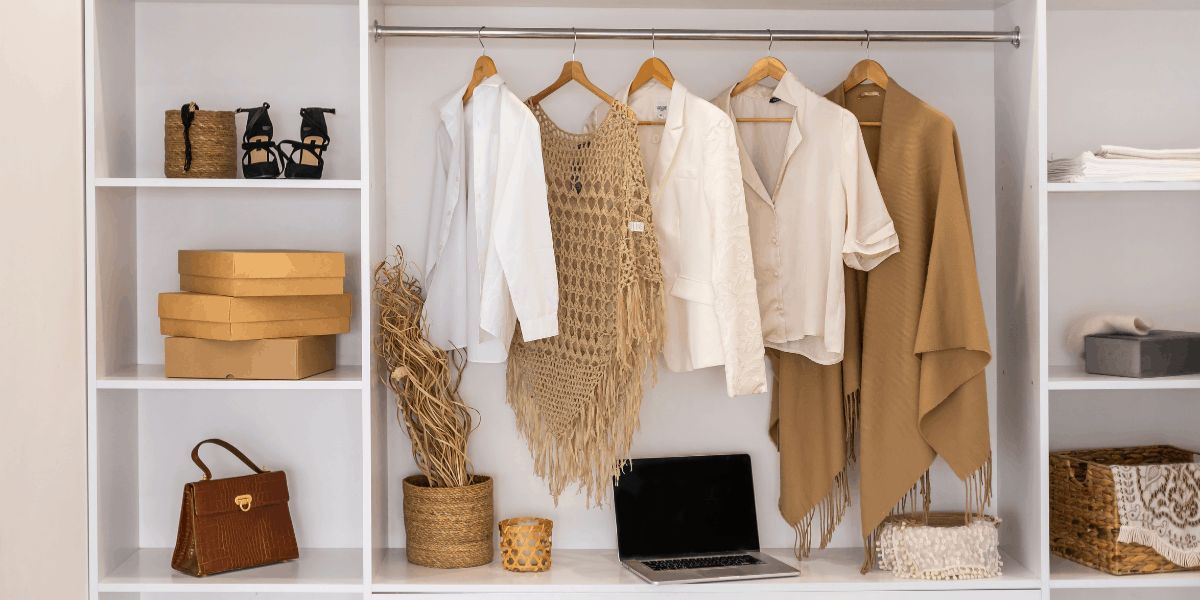
Micro-areas that work well
- A single drawer
- One shelf
- Your bedside table
- A corner of your workspace
These spots are small enough to tidy quickly but large enough to give you a visible sense of progress. Set a timer for 30 minutes and commit to finishing only that one area. Over days and weeks, these micro-wins accumulate into major changes across your home.
Follow the One-Touch Rule for Everyday Items
Clutter doesn’t just come from items you no longer need; it also comes from daily habits. The one-touch rule is simple: whenever you pick something up, decide where it belongs and put it in its place immediately.
Why this method works
When you delay decisions, items pile up on counters, sofas, desks, and floors. Using the one-touch habit prevents this build-up and reduces the time spent organising later. Whether it’s dirty laundry, mail, or your bag after coming home, handling items right away prevents them from becoming future clutter.
Use the 10-Item Daily Release Method
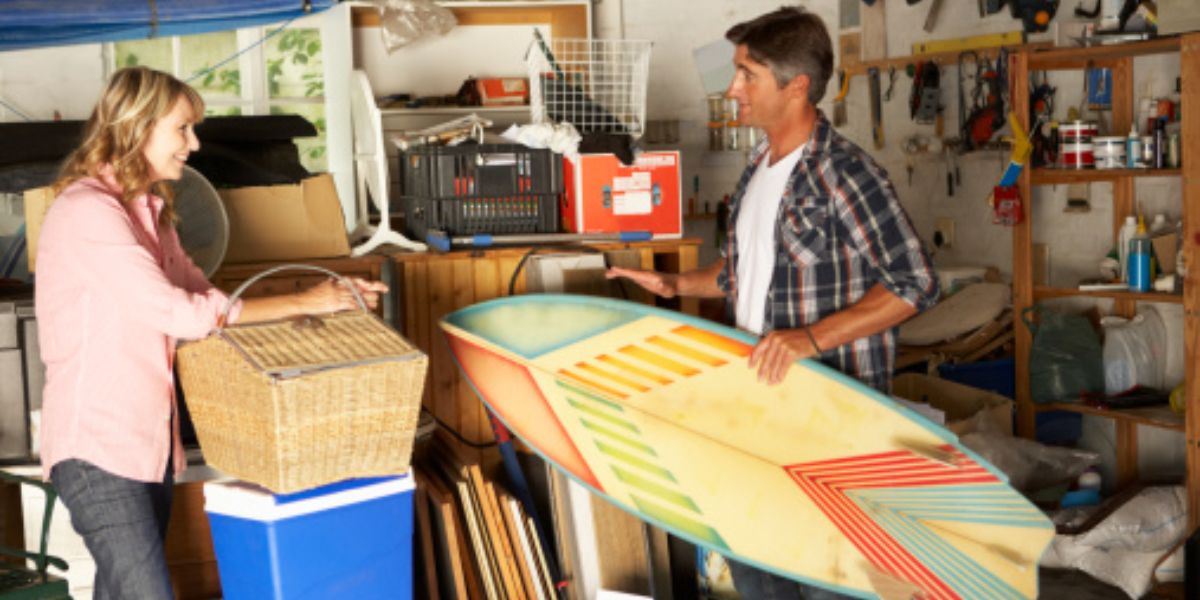
Removing objects consistently is the fastest path to long-term simplicity. The 10-item method involves choosing any ten things each day that no longer add value to your life and removing them.
What to remove
- Expired products
- Broken or unused tools
- Clothes you haven’t worn in over a year
- Duplicate household items
- Old papers, receipts, or packaging
If donating or selling takes time, create a designated donation box and add items to it until it’s full. The goal is steady reduction, not perfection.
Digitise What You Can to Reduce Paper Clutter
Paper clutter is one of the most persistent forms of mess because it creeps in quietly through bills, packaging, notes, documents, leaflets, and more. Spending 30 minutes each day digitising helps eliminate this category altogether.
Where to start
- Scan important documents
- Take photos of receipts you may need
- Move notes into a digital app
- Store warranties or manuals online
Once digitised, shred or recycle unnecessary paper. Digital organisation also makes it easier to search for documents later, reducing stress and saving time.
Create Simple, Low-Maintenance Systems
Decluttering isn’t just about removing what you don’t need. It’s about building systems that prevent clutter from returning. A well-organised life stays decluttered because everything has a designated place.
Helpful systems to set up
- A tray for incoming mail
- A box for weekly donations
- A labelled bin for chargers and cables
- A laundry routine divided by weekdays
- A small cleaning caddy stored in each major area
When systems are simple, you’re more likely to maintain them even during busy weeks. The easier a system is to use, the more consistently it will keep your space clean.
How Decluttering Improves Your Daily Life
Removing clutter doesn’t just make your home look better; it also improves mental clarity. Studies consistently show that organised environments help reduce stress, boost focus, and improve decision-making. A decluttered space also makes daily tasks easier, from finding your keys to preparing meals. Most importantly, it gives your mind room to rest.
Many people underestimate how much mental load comes from physical mess. Each item you see demands attention or holds a small decision: Should I use this? Move it? Keep it? Decluttering removes these micro-stressors, creating an environment that supports calmness and productivity.
Turning Decluttering Into a Habit
The true power of a 30-minute routine comes from consistency. Whether you choose mornings, evenings, or lunch breaks, a regular schedule keeps clutter from building up. Try pairing it with something enjoyable, such as a podcast or playlist, to make the habit easier to stick to.
If you ever feel stuck, remind yourself that you don’t need to complete an entire room. One drawer, one shelf, and one box at a time eventually transforms everything.
What decluttering method works best for you? Share your thoughts in the comments below.